
Is Stainless Steel 100% Rust Proof? Causes
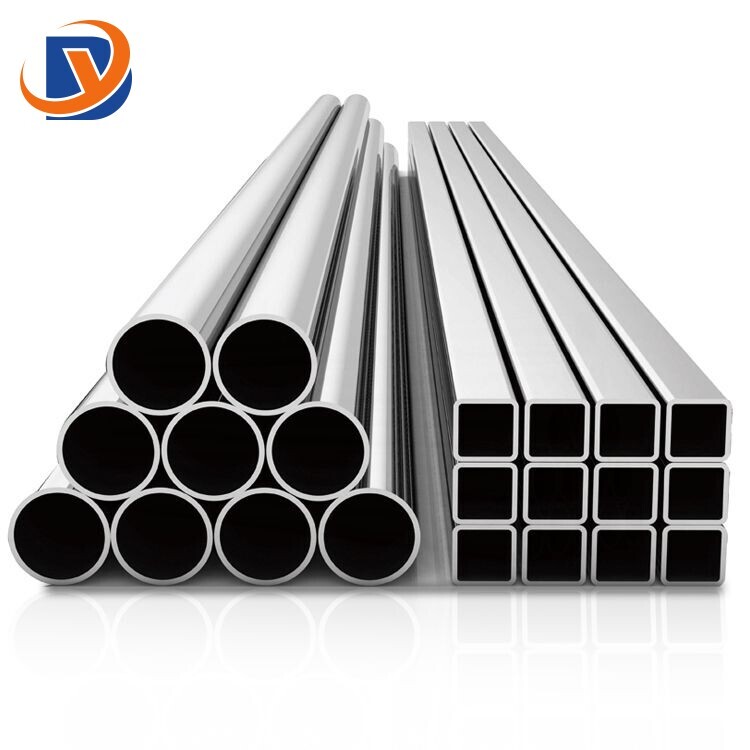
No, stainless steel is not 100% rust-proof. The reason it has anti-rust ability is that the chromium element in it can form a thin protective film, thereby protecting the surface from corrosion. However, under harsh conditions - such as exposure to salt, high humidity environment, water accumulation, iron contamination, improper maintenance or the selection of an inappropriate steel type - stainless steel may still rust. In general, in marine or chloride-rich environments, 316 stainless steel has better anti-rust performance than 304 stainless steel, but no type of stainless steel can completely avoid rusting.
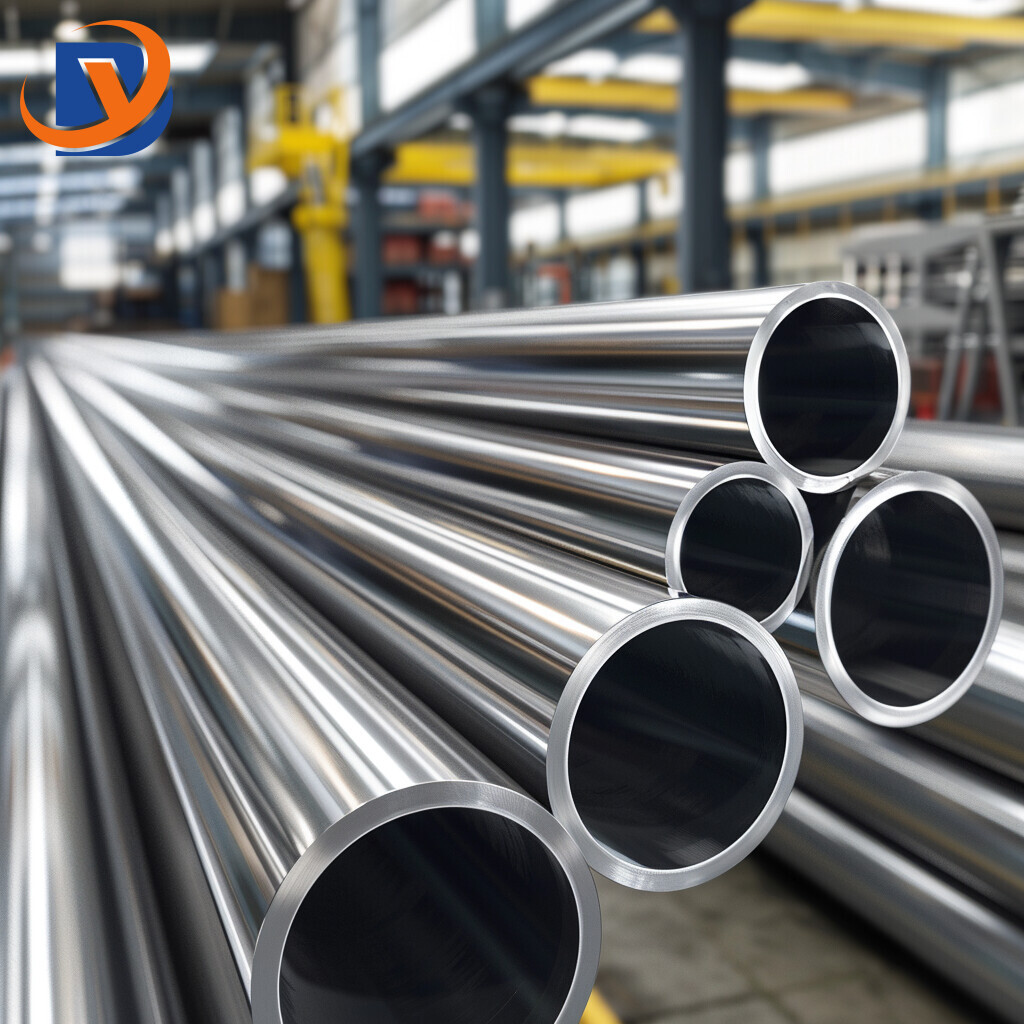
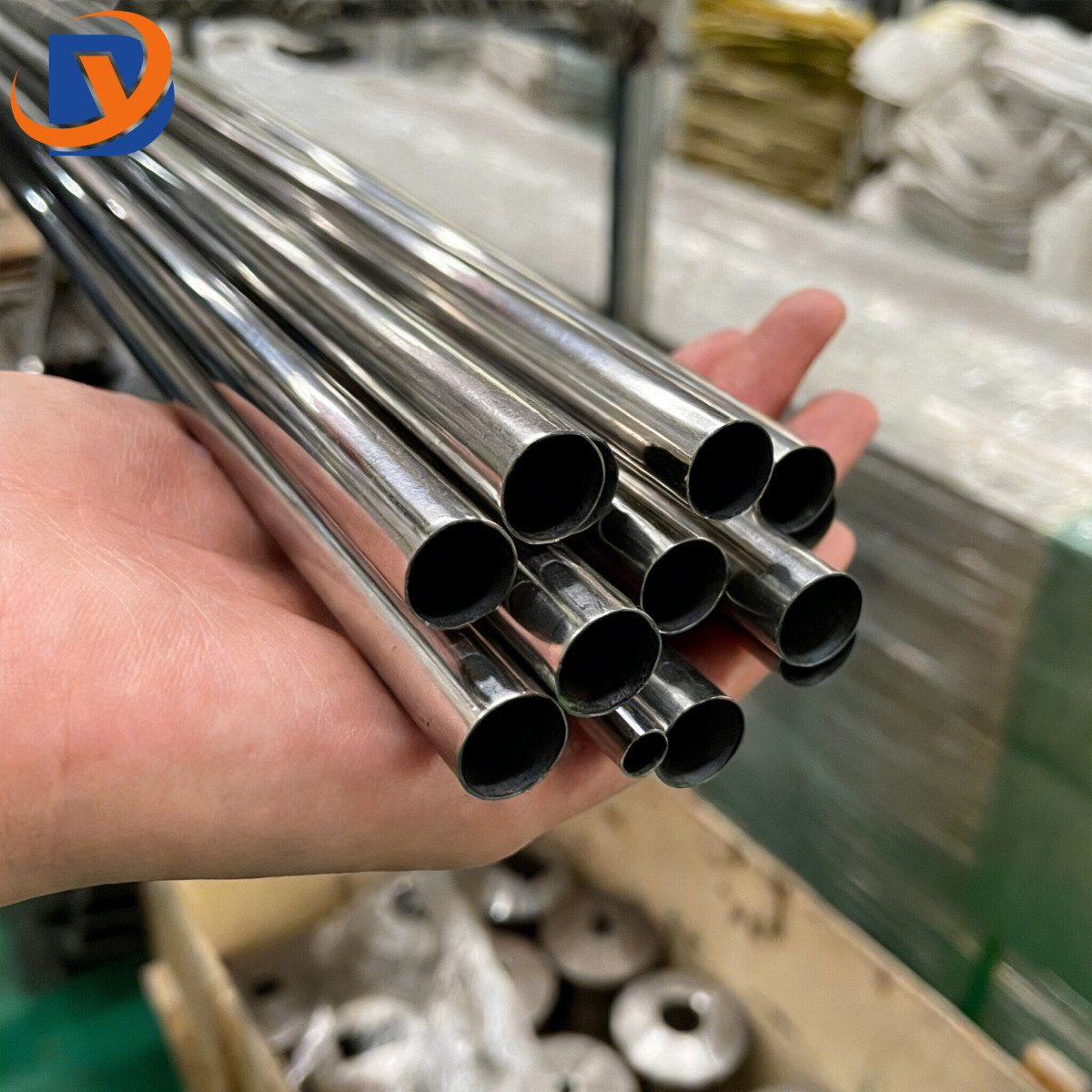
To analyze the reasons, one needs to understand what makes stainless steel stainless steel in the first place?
The reason why stainless steel can resist rust is that it contains at least 10.5% chromium. When exposed to oxygen, chromium reacts on the surface to form a thin layer of passivated oxide. This invisible film on the surface can protect the steel from further corrosion, and it is precisely this that gives stainless steel its "rust-proof" property.
However, this layer of passivation is not impervious. In environments with chloride ions, water retention, processing contamination, improper cleaning, or surface treatment errors, it may decompose or suffer local damage. Therefore, stainless steel only has corrosion resistance, not permanent rust prevention.
Corrosion-resistant, rather than completely rust-proof.
The term "stainless steel" does not mean it will "never rust." It refers to the fact that, under normal conditions, this type of steel is less prone to staining and corrosion than ordinary carbon steel.
From a practical application perspective, stainless steel performs exceptionally well in many indoor, commercial and industrial environments. However, if its surface comes into contact with salt, chlorine, water accumulation or is contaminated by iron, or if it is not maintained properly, rust spots, pitting corrosion or crevice corrosion may still occur.
For this reason, stainless steel should be understood as "resistant to rust" rather than "anti-rust".
Related Posts
- ▶ Is Stainless Steel 100% Rust Proof? Causes
- ▶ The necessary conditions and classification of 310S stainless steel pipes
- ▶ Yongding Metals Successfully Expands into the Caribbean Market, Jamaican Client Orders 6 Tons of High-Quality Aluminum Tubes and Gives High Praise
- ▶ Successful Shipment of 10 Tons Stainless Steel Sheets to Iraq with Third-Party Inspection Approval
- ▶ Innovative aluminum structures set sail for the Philippines to support efficient irrigation projects in pineapple fields
- ▶ Shandong Yongding: High-quality steel wires are dispatched to Pakistan, empowering overseas infrastructure projects and jointly creating a new chapter of cooperation.
Send Us A Message
Apply for Best Quotation